Keeping Agricultural Trade Moving

Regulation is redrawing the terms of agricultural trade. Terraxis helps cooperatives, exporters, importers and sourcing teams meet what’s coming without breaking how trade actually works — through compliance technology, specialist advisory, and sourcing relationships grounded in real operational data.

The problem

Your compliance data exists. It's just in 14 places.

Most producers and traders aren’t failing EUDR on commitment. They’re failing on structure.

The farm boundaries are in a consultant’s shapefile. The producer register is a spreadsheet. Deliveries are on paper at the wet mill. The certification evidence is in an email thread from 2023. When a buyer asks for plot-level geolocation tied to a specific consignment, someone spends three weeks rebuilding history that should have been captured the first time.

That method survived the old regime. It does not survive a due diligence statement that has to link a shipment back to a polygon.

Regulatory Shift

Regulations such as EUDR and CSDDD are turning plot-level geolocation, traceability, and due diligence documentation into operational requirements. This is exposing a structural gap across supply chains, especially for small and medium-sized enterprises at origin and import level.

Climate Reality

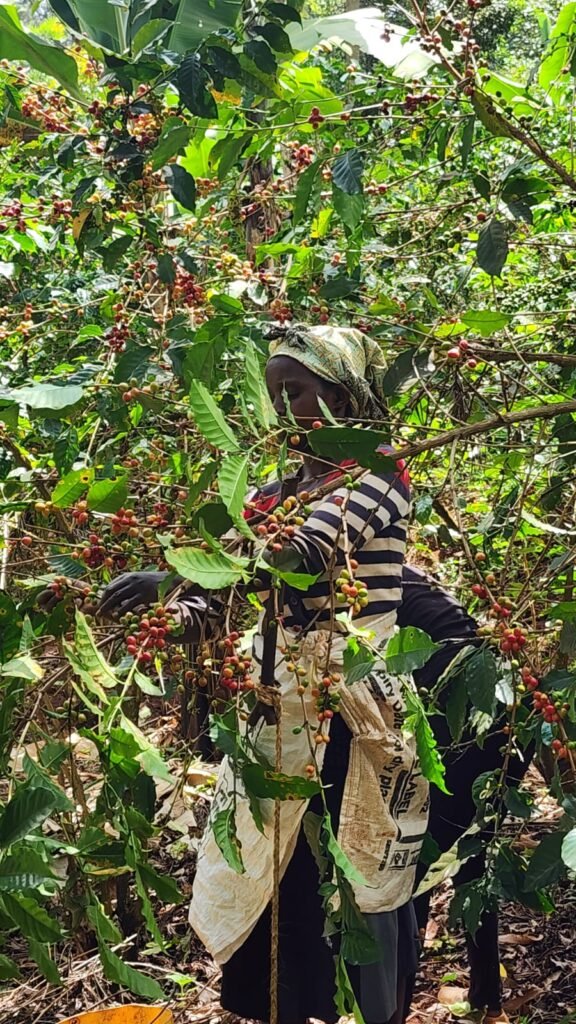
Climate change is putting real pressure on agricultural supply chains. Farmers are already responding with agroforestry, regenerative farming, and practical resilience strategies, but most trade systems were never built to record or verify this in a way that lets the value travel with the product.

Market Expectations

Buyers are under growing pressure to prove sustainability claims with clear data, transparent supply chains, and credible due diligence. Proof is becoming a condition for competitiveness, not a communications exercise.
Our Services

Three ways Terraxis keeps trade moving.

Compliance, traceability, sourcing and due diligence aren’t separate problems. They’re outcomes of the same operational flow. Where you start depends on where you sit.

Compliance Infrastructure

Our compliance and trade platform. Farm mapping, producer records, traceability, processing and consignments in one system, so EUDR evidence emerges from the work instead of being reconstructed after it.
For cooperatives, estate producers, exporters and importers.

Advisory & due diligence

Human rights and environmental due diligence built into procurement practice — aligned to the UN Guiding Principles, CSDDD and OECD Due Diligence Guidance. Operating models, not reports.
For sourcing and procurement teams

The Terraxis Sourcing Model

Sourcing relationships built on verified operational data rather than standalone claims. Gender, agroforestry, organic and compliance attributes carried inside the trade record itself.
For buyers, roasters and importers.

How Terraxis Helps

Compliance should not depend on disconnected spreadsheets.

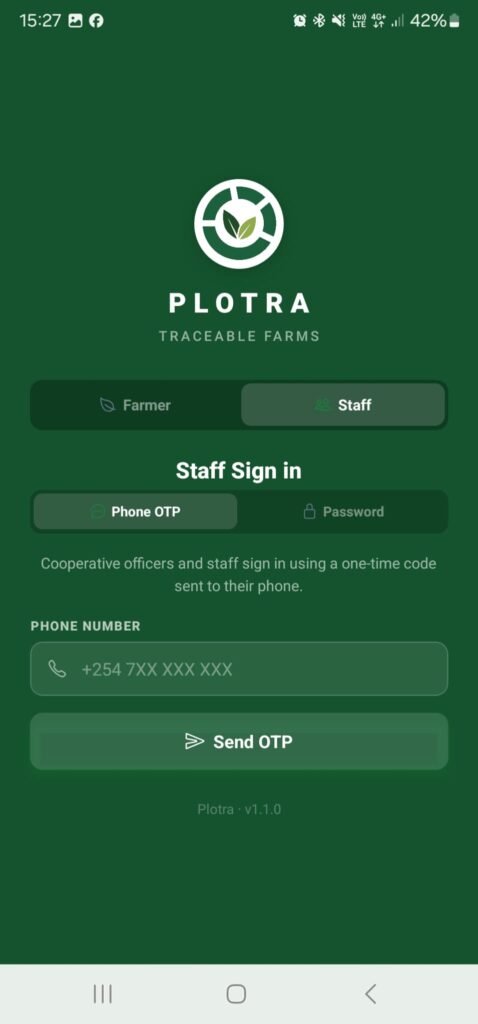
At the core of Terraxis is Plotra, our proprietary compliance and trade infrastructure that transforms fragmented agricultural, geospatial, and supply chain data into connected operational systems.

Built for cooperatives, estate producers, exporters, importers, and sourcing organizations, Plotra structures everyday trade activities into compliance-ready records that support traceability, due diligence, and continuous market access.

Combined with Terraxis’ specialist advisory methodology, Plotra connects land, production, and trade through structured data and geospatial verification. The result is stronger operational visibility, traceability, and compliance systems grounded in the realities of agricultural production.


The Answers You Need for EUDR Compliance

FAQs

Frequently Asked Questions

When does EUDR actually apply?

30 December 2026 for medium and large operators and traders. 30 June 2027 for micro and small operators outside the timber sector. The Commission’s May 2026 simplification review confirmed there will be no further delay.

Cattle, cocoa, coffee, palm oil, rubber, soy and wood, plus a wide range of derived products. The Commission has proposed scope adjustments — including adding soluble coffee and certain palm oil derivatives, and removing leather and retreaded tyres — so scope should be re-checked, not assumed.

It cut administrative burden and adjusted product scope. It did not touch the core: plot geolocation, proof of legality, risk assessment and mitigation, and a due diligence statement.

No. Certification can support due diligence but doesn’t substitute for it. The Commission’s guidance is explicit that operators remain responsible for their own due diligence regardless of scheme membership.


It depends where the gap is. If your records are fragmented and your data doesn’t exist in usable form, that’s an infrastructure problem — start with Plotra. If the data exists but you can’t tell what your labour or land-rights exposure means, or how to build it into procurement, that’s an advisory problem. Most organisations at origin have both. Most importers have the second.

Terraxis is the company. Plotra is its compliance and trade infrastructure. Terraxis also provides due diligence advisory and operates the Terraxis Sourcing Model — Plotra is one of three things we do, and the only one you can buy as software.

The deadline isn't moving. Your data structure still can.

Under six months to EUDR application. The organisations that clear it will be the ones structuring their operations now, not the ones waiting for a third simplification the Commission has already ruled out.

Tell us where you sit in the chain and we’ll tell you honestly what readiness looks like from here.